GDPR AI Tools Microsoft 365: Safe and Compliant
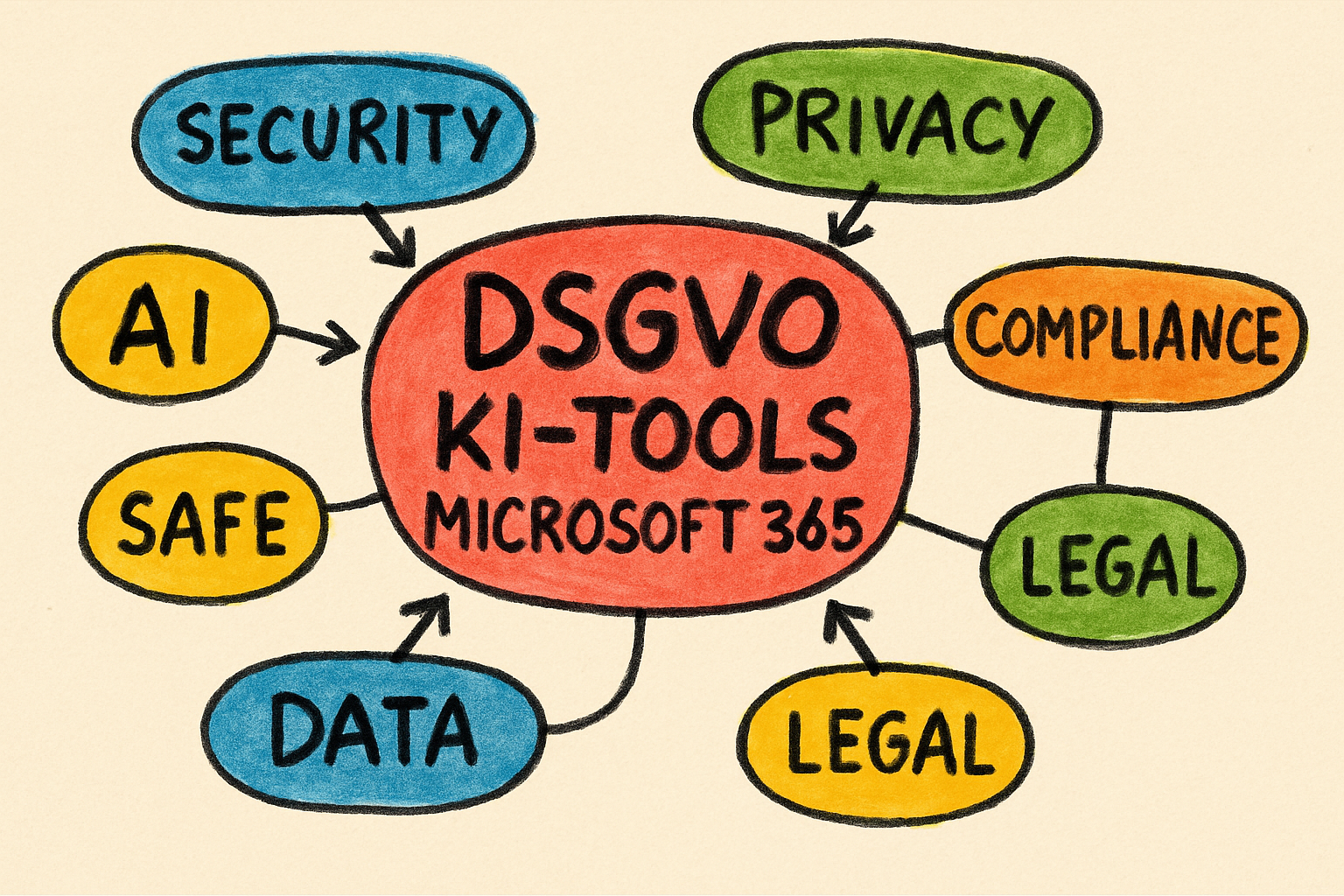
Companies using AI tools in Microsoft 365 must ensure these solutions comply with GDPR. The General Data Protection Regulation (GDPR) requires that personal data is protected and processed responsibly. When using AI tools like AI-MindMap by timeghost within Microsoft 365, companies should focus on adhering to these regulations. This includes selecting tools that process data within the EU, as is the case with AI-MindMap. Companies face the challenge of not only mastering the technical aspects of integration but also carefully reviewing legal requirements to avoid potential risks.
How does GDPR affect the use of AI tools in Microsoft 365?
GDPR imposes strict requirements on handling personal data. When using AI tools in Microsoft 365, this means companies must ensure that all data processing activities are transparent and secure. This includes providing clear information on how data is collected, used, and stored. Compliance with GDPR is essential to avoid legal consequences and maintain customer trust.
A practical example: When a project manager uses AI-MindMap to structure a new product idea, all team members involved must be informed about what data is collected and how it is processed. Transparency is key to ensuring the trust of employees and customers. It is important to conduct regular training and workshops to raise awareness of data protection issues within the company.
What does GDPR compliance mean for companies?
GDPR compliance means that companies respect the data protection rights of their users and ensure that personal data is processed securely. Companies must:
-
Obtain consent for data processing: Before personal data is processed, the company must obtain explicit consent from the individuals concerned. This can be done, for example, through a simple consent declaration in an email or a specific user agreement within the software used.
-
Ensure data portability: Users have the right to receive their data in a structured, commonly used, and machine-readable format. Companies should therefore ensure that all data is exportable, which AI-MindMap by timeghost enables through its diverse export functions (PNG, PDF, SVG, XMind).
-
Respect the right to be forgotten: Users can request that their data be deleted. Companies must establish processes to handle such requests efficiently and completely.
-
Implement security measures to prevent data breaches: Regular security checks and the use of modern encryption technologies are essential to ensure the integrity and security of data.
A concrete example is the use of AI-MindMap, which is GDPR and ISO 27001 compliant and processes data within the EU. By storing data in an EU region, ensured by Azure OpenAI, compliance with strict European data protection standards is guaranteed.
What are the benefits of GDPR-compliant AI tools?
GDPR-compliant AI tools offer numerous benefits:
-
Legal certainty: Companies minimize the risk of fines by complying with legal requirements. This creates a stable foundation for continued business operations and protects against unexpected financial burdens from data protection violations.
-
Trust with customers and partners: Transparent data processing strengthens relationships with customers and business partners, as they see their data is handled securely and responsibly.
-
Competitiveness: Companies that take data protection seriously position themselves better in the market and can establish themselves as trustworthy partners in an increasingly data-driven economy.
AI-MindMap by timeghost is an example of a tool that offers these benefits by ensuring GDPR compliance. Integration into Microsoft Teams with Single Sign-On also facilitates everyday use without additional security risks from separate logins.
How to integrate GDPR-compliant AI tools into Microsoft 365?
Integrating GDPR-compliant AI tools into Microsoft 365 should be carefully planned. Companies should:
-
Check the data protection status of the tools: Before implementation, it is important to review the provider's data protection policies and practices. AI-MindMap sets an example here by operating in compliance with GDPR and ISO 27001.
-
Obtain user consent: Ensure that all users are informed about data processing and have given their consent. This can be done during onboarding processes or through regular data protection updates.
-
Adjust security settings in Microsoft 365: Adjust security settings to control and secure data processing. This includes measures such as enabling two-factor authentication and restricting access rights.
-
Train employees on data protection and tool usage: Regular training is crucial to ensure that all employees understand the importance of GDPR and know how to use the tools securely.
A look at the integrations of AI-MindMap shows how seamlessly GDPR-compliant tools can be integrated into existing systems. The ability to use the tool directly in Microsoft Teams significantly reduces the hurdle for implementation.
What role does data processing in the EU play?
Data processing within the EU is a crucial factor for GDPR compliance. It ensures that data is subject to strict European data protection standards. Tools like AI-MindMap by timeghost, which operate their AI functions via Azure OpenAI in an EU region, offer a clear advantage here. This means that data is not transferred outside the EU, helping to avoid additional legal complications. Ensuring data is processed within the EU is a decisive step in strengthening customer trust and minimizing compliance risks.
What are the risks of not complying with GDPR in AI tools?
Non-compliance with GDPR can have serious consequences:
-
High fines: Violations can be penalized with up to 20 million euros or 4% of the worldwide annual turnover. These potential financial burdens should motivate companies to invest early in data protection-compliant solutions.
-
Reputational damage: Data protection breaches can permanently damage customer trust. A loss of credibility can lead to a long-term decline in customer numbers, negatively impacting business success.
-
Legal consequences: Companies can become embroiled in legal disputes that tie up time and resources better invested in core business activities.
Companies should therefore rely on GDPR-compliant solutions, such as the features of AI-MindMap.
Conclusion: GDPR-compliant AI tools in Microsoft 365
Compliance with GDPR when using AI tools in Microsoft 365 is essential to minimize legal risks and maintain customer trust. AI-MindMap by timeghost offers a secure and compliant solution that integrates seamlessly into Microsoft 365. Companies that take these requirements seriously are better positioned to successfully navigate digital transformation.
Try AI-MindMap for free and experience how easy GDPR-compliant mind mapping in Microsoft Teams can be: Test AI-MindMap for free.
Sources and further information
- General Data Protection Regulation (GDPR) - official EU website
- ISO 27001 - Information Security Management
- Microsoft 365 Compliance Offerings - Microsoft
- Azure OpenAI Service - Microsoft Documentation
This article is for general information purposes. The content was created with the support of AI and editorially reviewed. Status: 2026-10-13.
Frequently asked questions
What is GDPR and why is it important for AI tools?
GDPR is an EU regulation governing personal data protection. For AI tools, it means ensuring data is processed transparently and securely to protect user privacy.
How can companies ensure their AI tools are GDPR-compliant?
Companies should choose AI tools that process data within the EU and provide clear information on data processing. Regular GDPR compliance checks and adjustments are necessary.
What are the risks of not complying with GDPR?
Non-compliance with GDPR can lead to hefty fines and legal consequences. It can also damage customer trust and harm the company's reputation.
What role does Microsoft 365 play in GDPR compliance?
Microsoft 365 offers features that help companies comply with GDPR, like data encryption and security protocols. Companies must ensure all tools used within this platform are also compliant.
How does GDPR affect the development of new AI tools?
GDPR affects the development of new AI tools by ensuring privacy is integrated from the start. Developers must incorporate security measures and transparency into their tools from the outset.
About the Author

timeghost Team
Editorial Team
The timeghost team builds AI-MindMap and writes about mind mapping, AI-assisted collaboration and productivity in Microsoft 365.
Share article